

A little beyond what you see, Iberia.
Sometimes a square, sometimes a façade, sometimes a short story… Here I gather the things that catch my eye while travelling in Portugal and Spain.
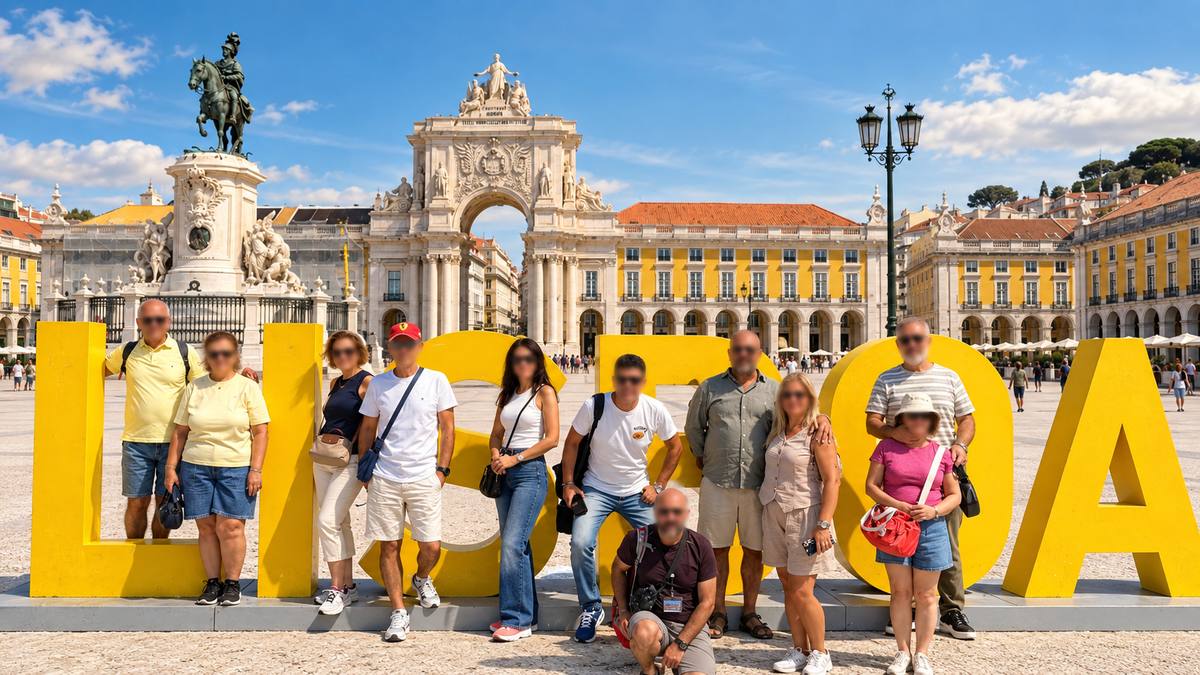
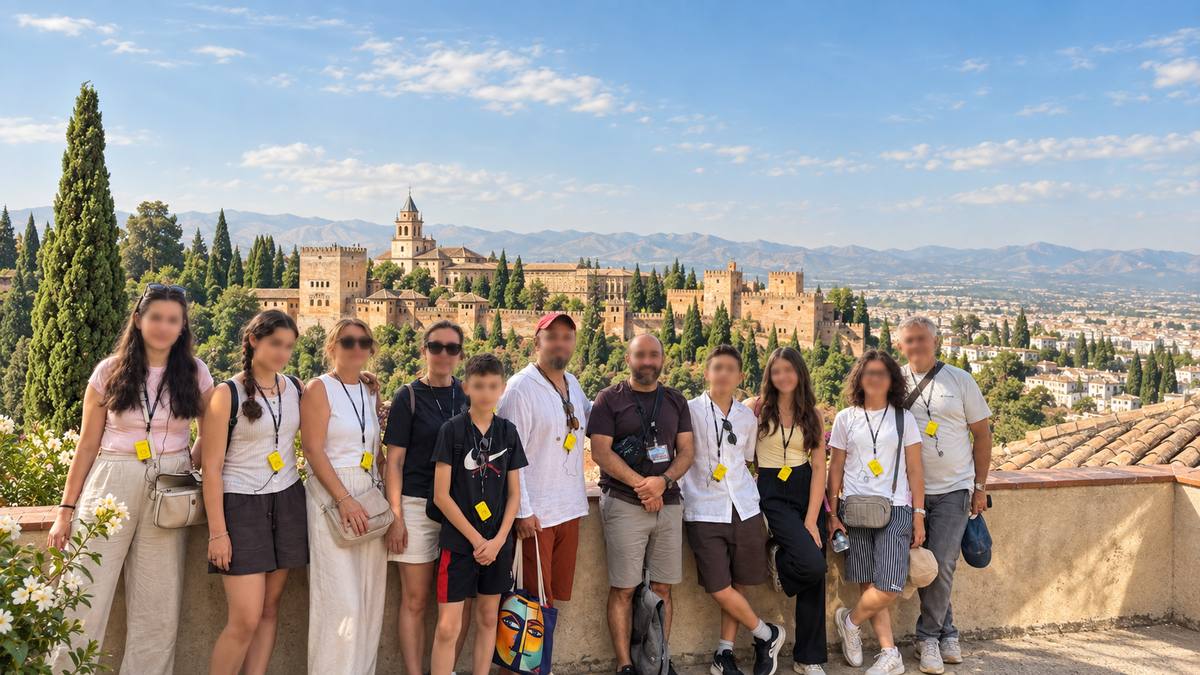
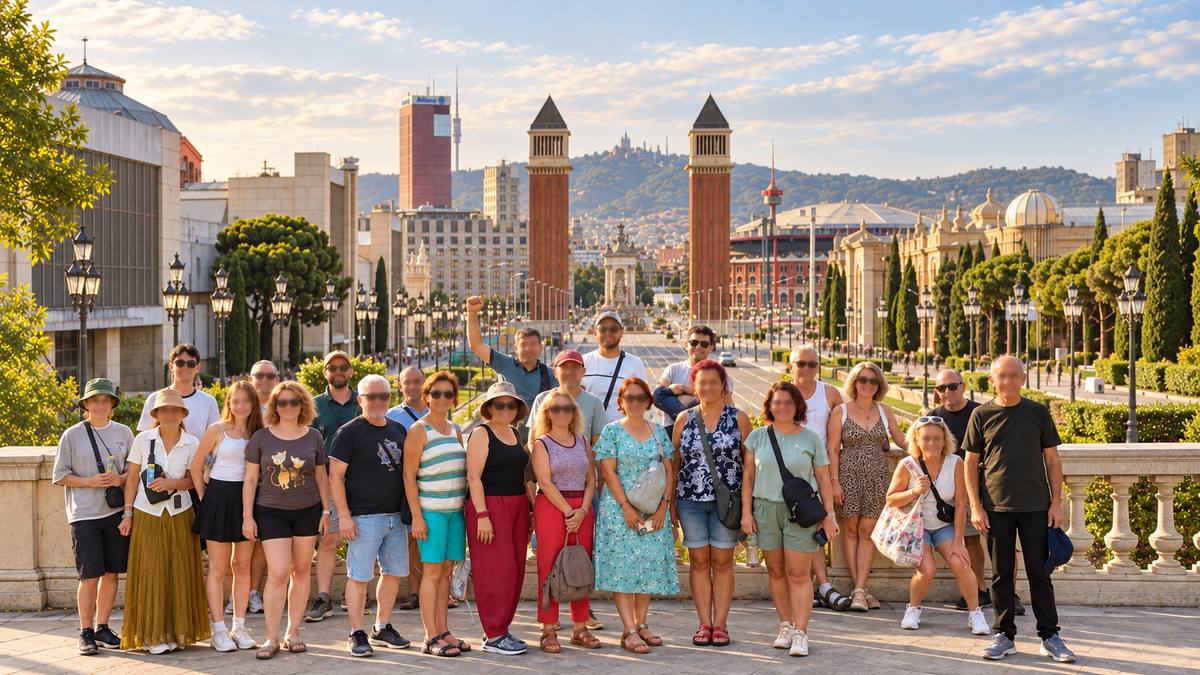
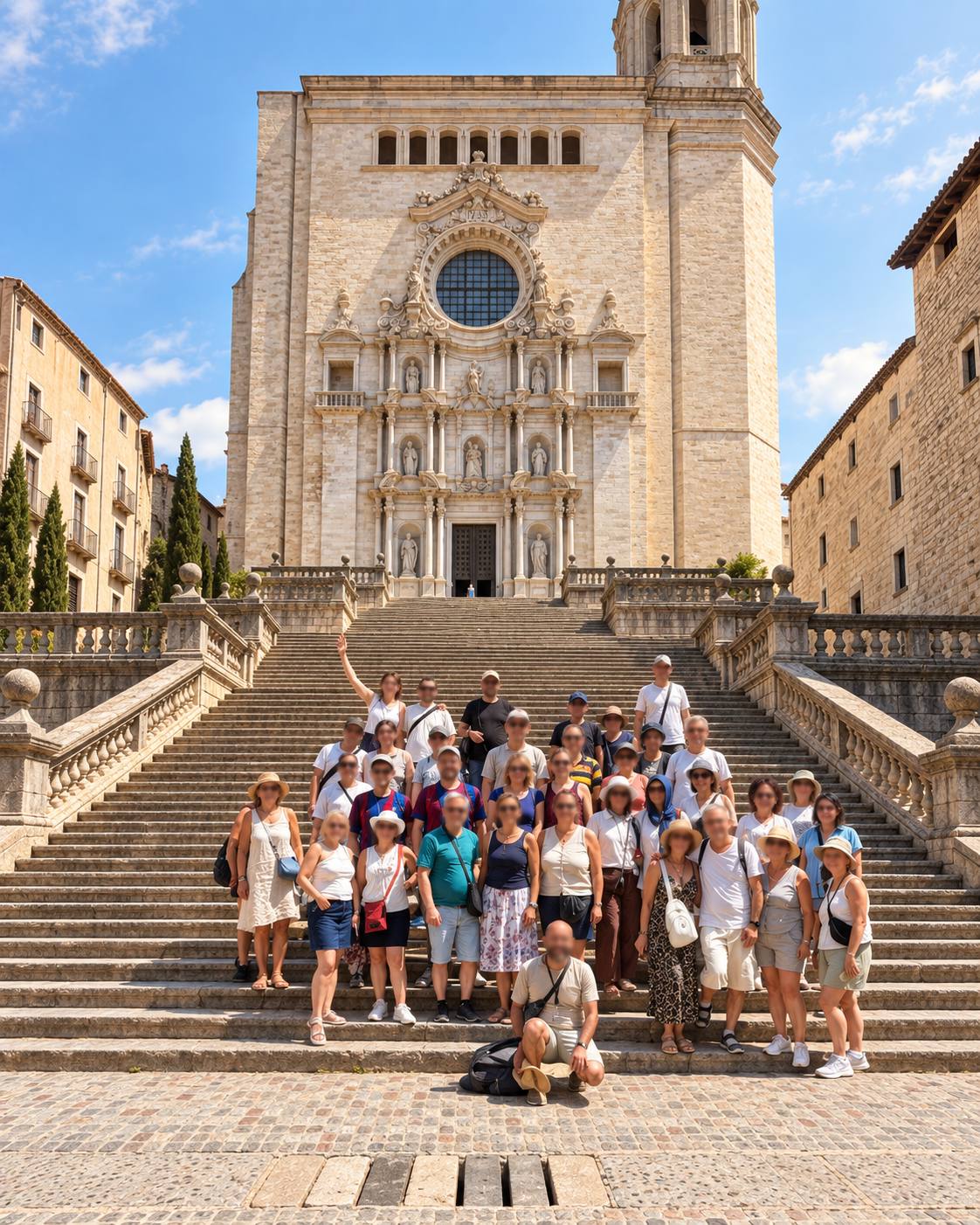
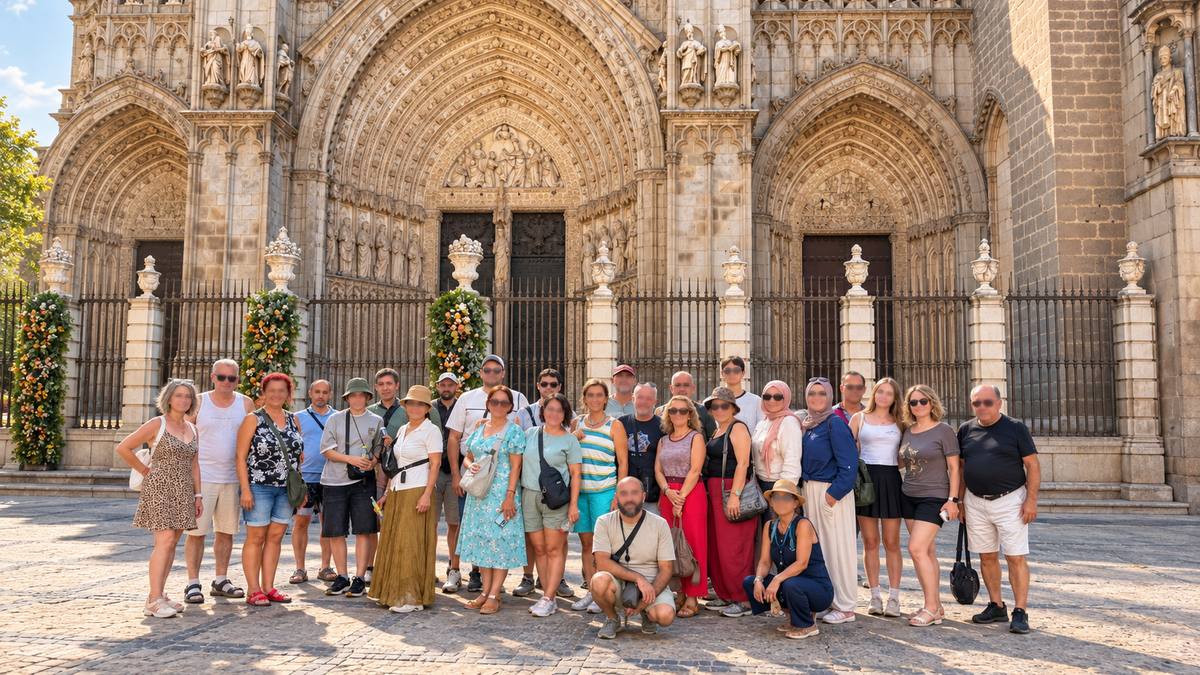
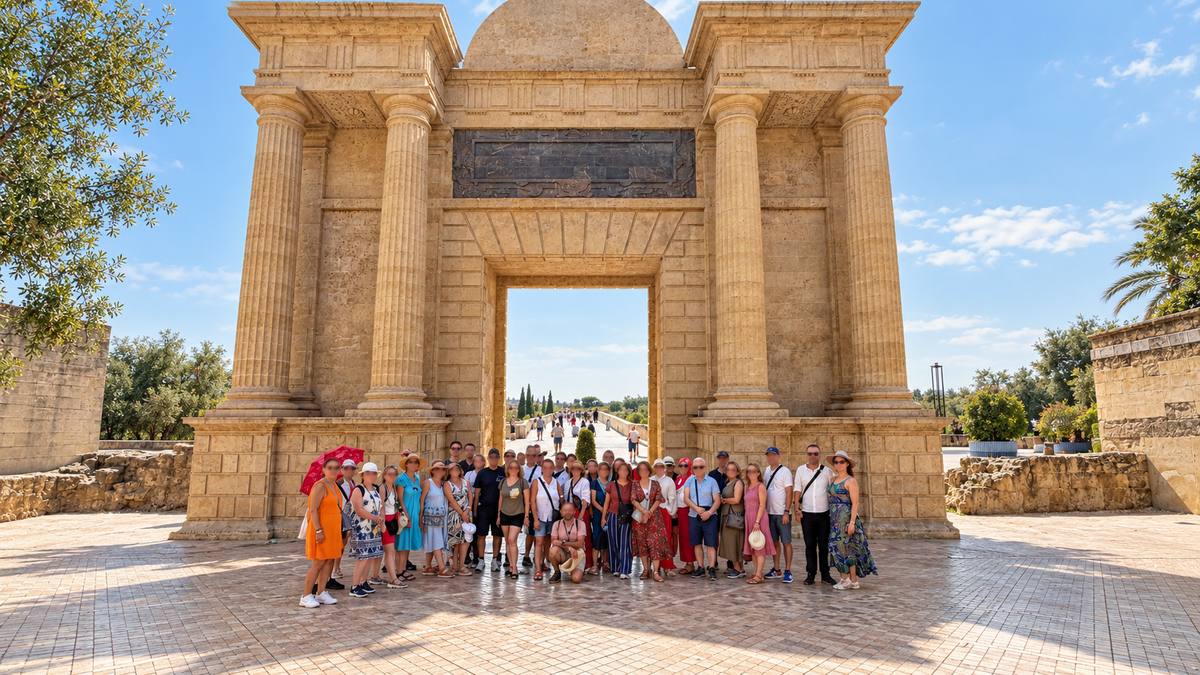
- Where I work
- Portugal · Spain
- Languages
- Turkish · English · Portuguese
- Experience
- Tour leading · Group tours
- Base
- Lisbon
Guiding
What to expect
A short preview — the fuller account is on Guiding.
01
A comfortable pace
Walking, breaks and timing follow the group’s rhythm.
02
Stories in context
History, architecture and everyday life stay connected.
03
At the group’s rhythm
We linger where it helps and move on when it does not.
04
Room for curiosity
Space for questions, details and discovery.
Quick questions
- Who do you work with?
- Individual travellers, small groups, families and tour operators.
- Where do the tours take place?
- Across Portugal and Spain; I’m based in Lisbon.
- What is the walking pace like?
- It is adjusted to the group’s energy and needs.
- Do you work with tour operators?
- Yes — I organise tours in line with operator programmes.
Cities of Iberia
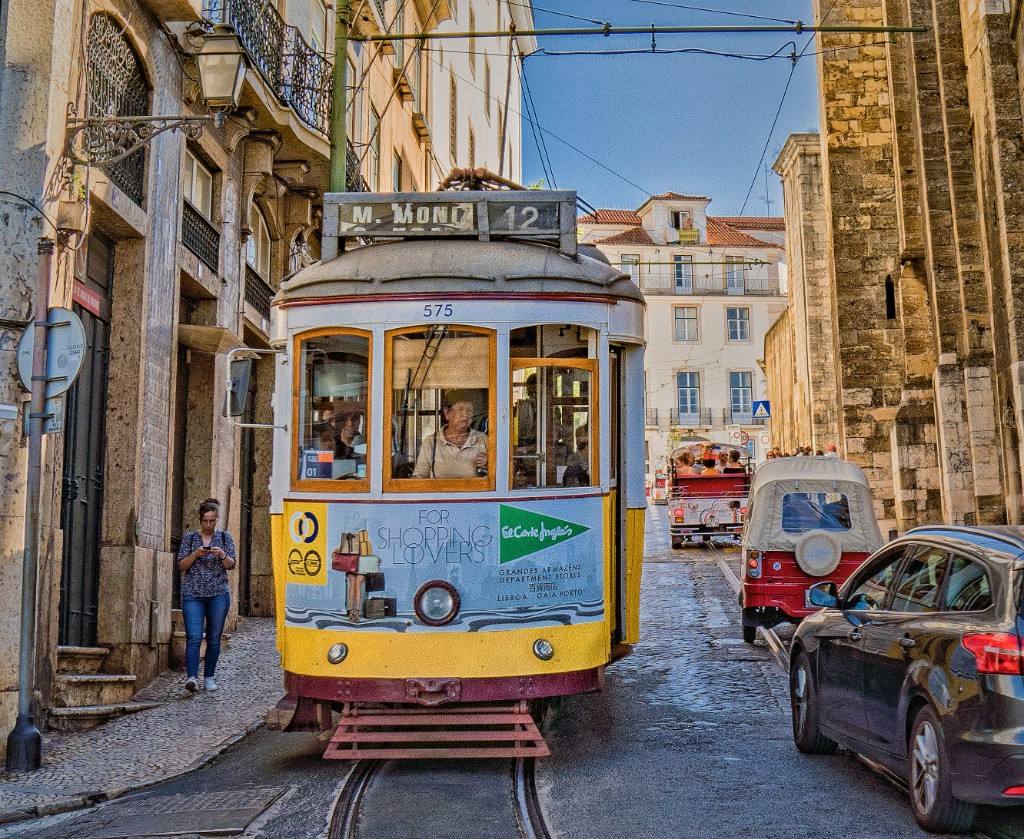
Lisbon
A capital shaped by the Tagus, redrawn after 1755 and still read through the contrast between old hills, ordered streets and everyday surfaces.
Read →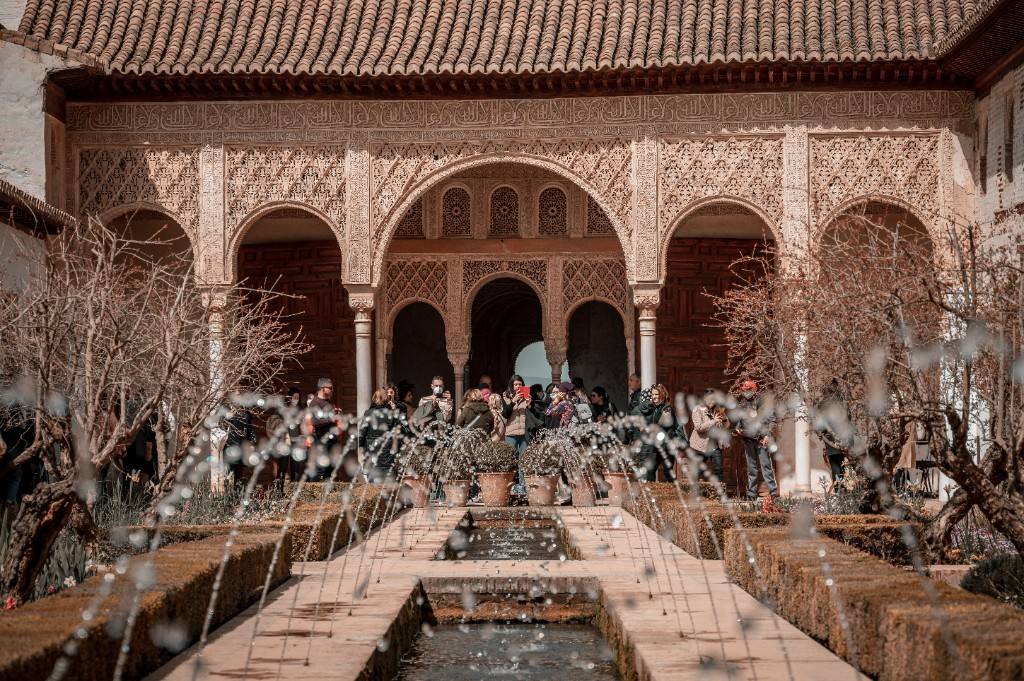
Granada
A city where the Alhambra and Albayzín still face one another, while Nasrid, Christian and everyday Granada continue on the same slopes.
Read →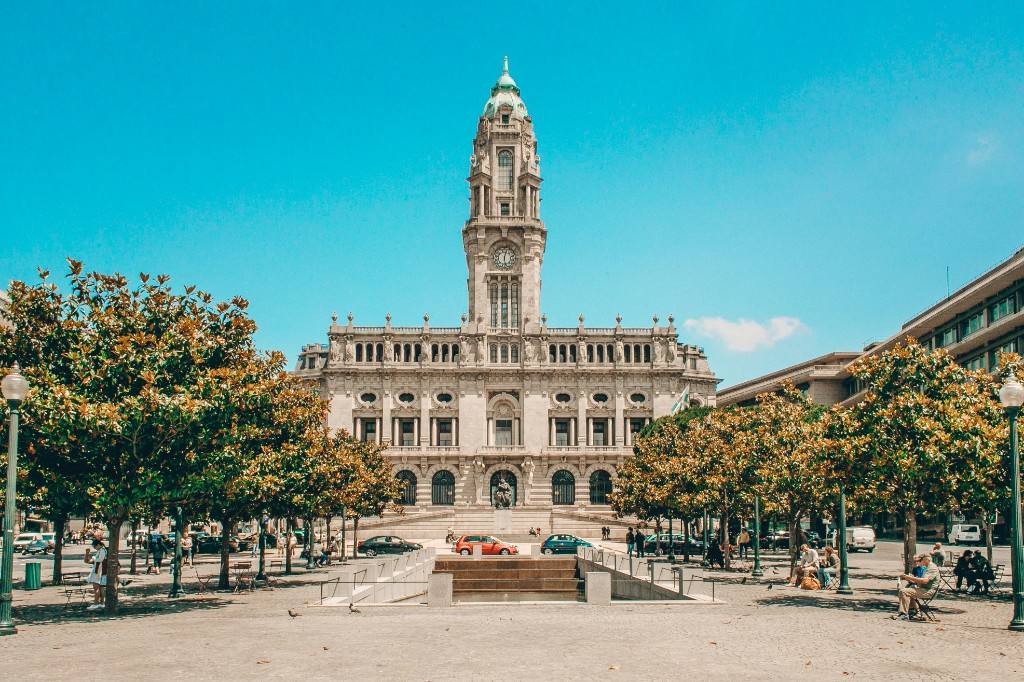
Porto
A steep river city where trade, wine, bridges and daily movement are still organised around the Douro.
Read →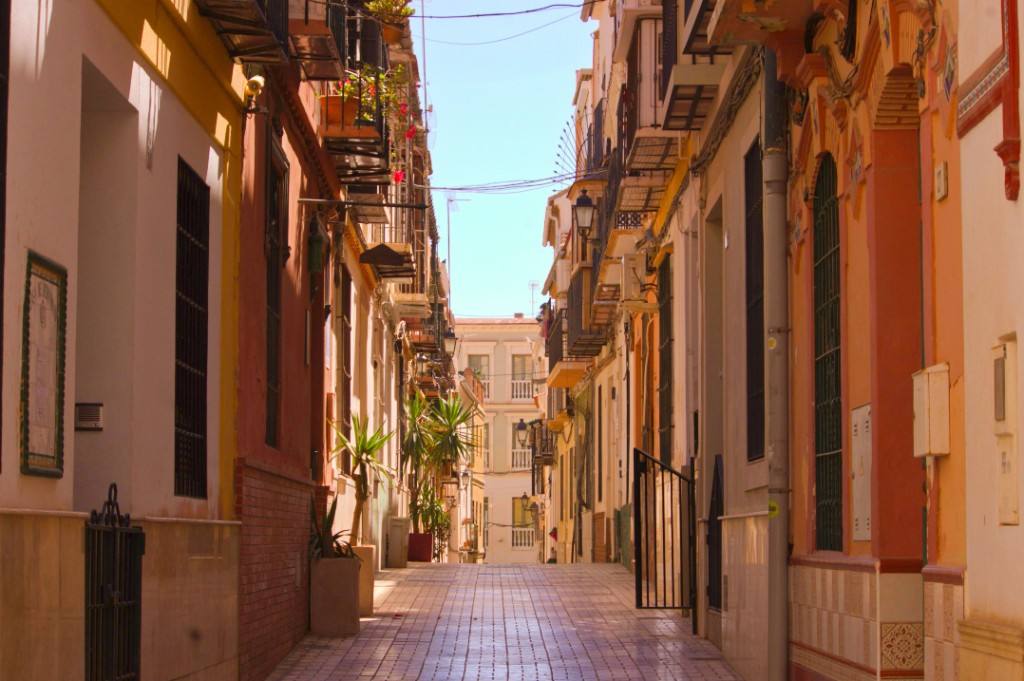
Seville
A city on the Guadalquivir where a minaret became a bell tower, Islamic craft continued under Christian rulers and Atlantic trade reshaped the centre.
Read →
Blog
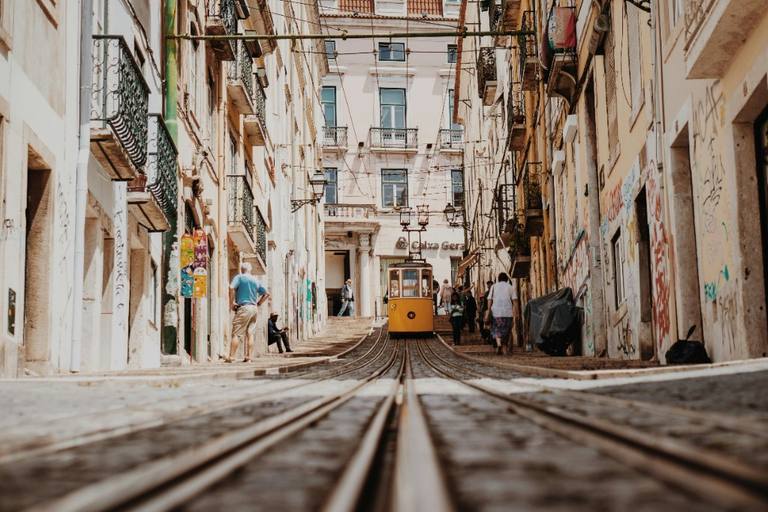
Why did Lisbon become a different city after 1755?
The earthquake, fires and tsunami of 1 November 1755 devastated Lisbon. The reconstruction that followed did something equally lasting: it changed the way the lower city was planned, built and walked.
Read →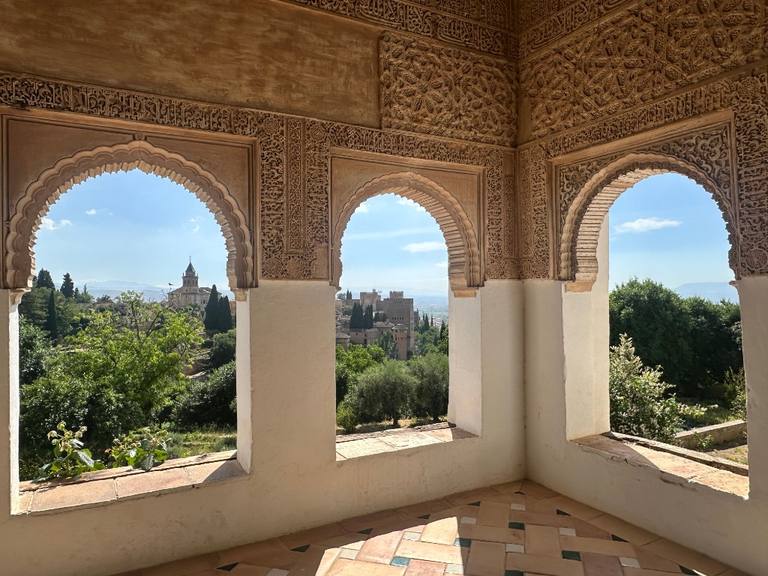
Why is Islamic heritage still so visible in southern Spain?
Córdoba, Seville and Granada preserve different layers of Al-Andalus. The legacy is visible not because one style survived unchanged, but because later cities kept building with, over and around what came before.
Read →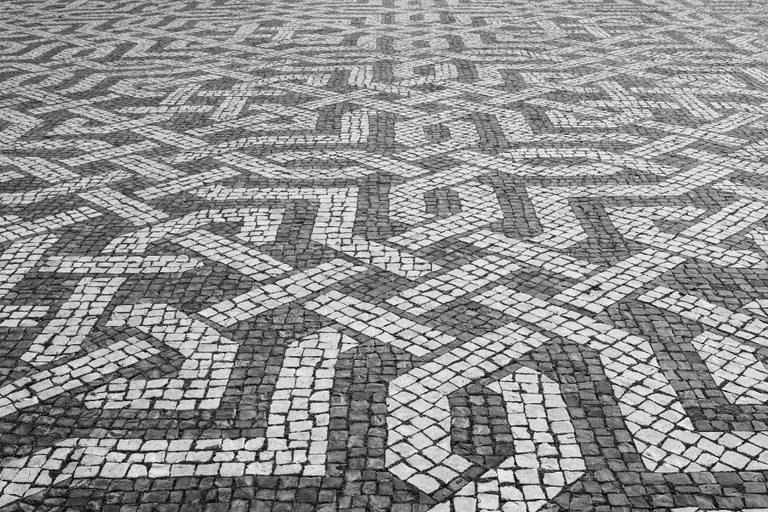
Why are Lisbon’s pavements black and white?
Calçada Portuguesa turns paving into a craft. Small pieces of stone, laid by hand, create patterns that have become part of the visual language of Lisbon and other Portuguese cities.
Read →
Contact
You can write to me about a tour, a route, or anything you are curious about across Iberia.
Registered tourism operator · RNAAT 990/2026
RNAAT 990/2026
Registered tourism animation operator
Lisboa, Portugal
Independent operator based in Portugal
Consumer complaints